
Core aeration service
Open up the soil. Wake the lawn back up.
Compacted Minnesota soil keeps water, air, and nutrients from getting where they need to go. A core aeration once or twice a year is the single highest-impact thing most lawns need.
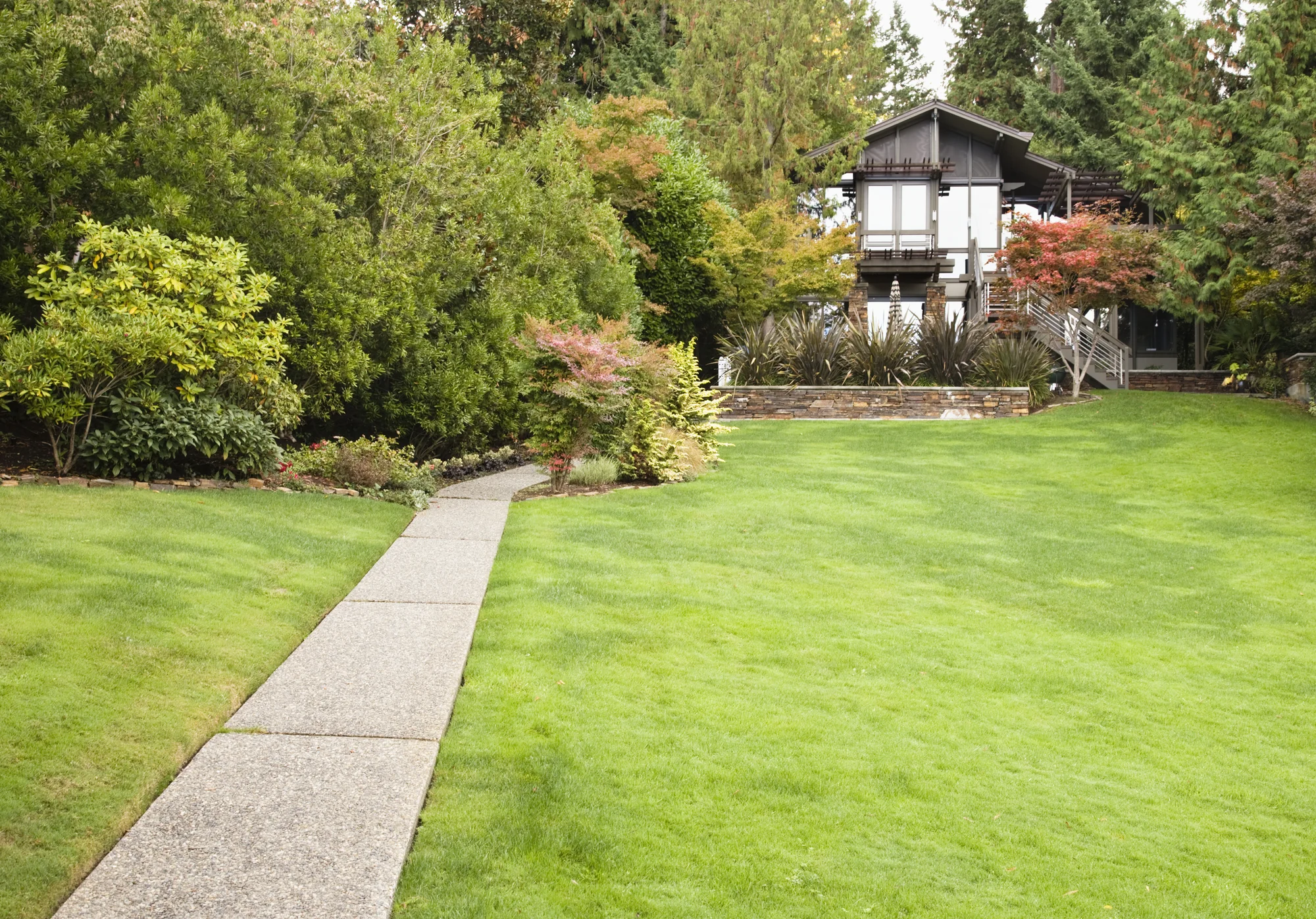
In short
Core aeration pulls thousands of small soil plugs so water, air, and fertilizer can reach the roots. In Minnesota's clay-heavy east metro, an annual fall aeration is the single highest-impact thing most lawns need.
- Two MN windows: late April–May and late August–October; fall is preferred
- Pairs with overseeding for the fastest path to thicker turf
- Annual aeration is recommended for east-metro clay soils
- Sprinkler heads, invisible-fence wires, and shallow utilities must be flagged before the crew arrives
- Plugs break down on their own in 1–2 weeks; do not rake them off
Core aeration uses hollow tines to pull thousands of small soil plugs out of your lawn. Those plugs break down on the surface over a couple of weeks, and the holes left behind let water, oxygen, and fertilizer reach the root zone where they actually do work.
Signs your lawn needs aeration
- Water pools or runs off instead of soaking in
- Thin, stressed turf despite regular watering
- A spongy or hard-as-rock feel underfoot
- Heavy clay soil (very common across the east metro)
- High traffic areas where grass keeps thinning out
Best results
Pair aeration with overseeding for a thicker lawn.
Right after aeration the lawn is at its most receptive: there are thousands of clean little pockets ready to hold seed at the perfect depth. Adding an overseed at the same visit is the fastest, cheapest way to fill in thin spots and crowd out future weeds.
- Cool-season blend matched to local conditions
- Light starter fertilizer to push germination
- Clear watering instructions sent the same day
When we aerate
We run two aeration windows in Minnesota: a spring window in late April through May, and a fall window in late August through October. Fall is the best of the two for cool-season grasses (which is what your lawn is), so most customers schedule once in fall and add a spring round if their soil is especially compacted.
Service area
Where we work
We aerate residential and small commercial properties across the east metro.
Frequently asked
Common aeration questions.
What to expect before, during, and after your aeration visit.
Do I need to mark my sprinkler heads?
Yes, please flag any irrigation heads, invisible-fence wires, and shallow utility lines before we arrive. We send a reminder a day or two ahead so you know exactly what to mark.
What do I do with the plugs left on the lawn?
Nothing. They look messy for a few days, then a couple of light rains or a mow breaks them down into the soil. Don't rake them off, that's the whole point of pulling them.
Can I aerate every year?
Yes, especially on heavy clay soils. Annual fall aeration is the easiest single thing you can do for the long-term health of a lawn.
How long until I see results?
Color and density usually noticeably improve over the next 4 to 6 weeks. If you overseeded at the same visit, you'll see new growth in about 10 to 14 days with regular watering.
From our neighbors
What aeration customers say.
So far I've only used Hansen's Lawn Care for core aeration, but I was very pleased with that service and look forward to hiring Hansen's for additional yard services in the future. I am also happy to support a business locally owned by an Armed Forces veteran.
Core aeration customer
Get on the next aeration route.
Spring and fall windows fill up early. Lock your spot in.